Fabricland Brand Guidelines
The Toronto fabric chain that began on Queen Street in 1968.
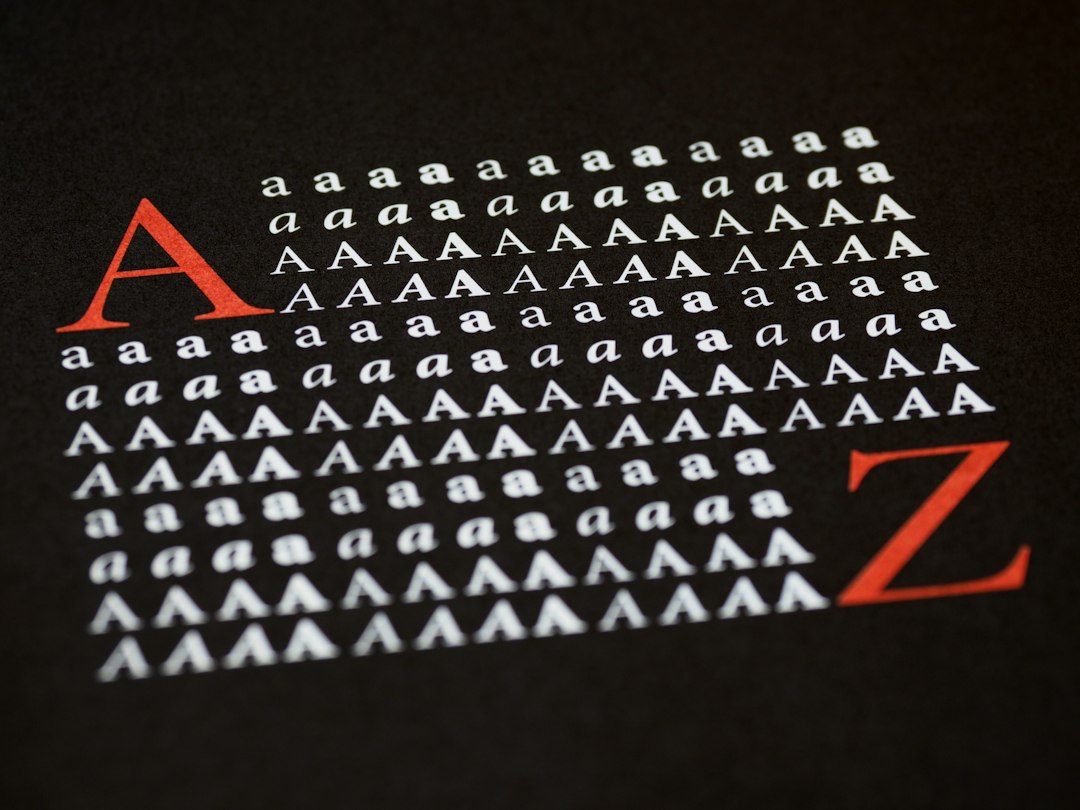
Aa
Two constants: a spool red, navy and muslin palette and a retail grotesque register. Abstract homage — not a Fabricland asset; no store sign, logo or product is reproduced.
Queen and Roncesvalles
A small Toronto shop and a lot of knit fabric.
Fabricland is a Canadian chain of fabric and sewing stores. It began in Toronto in 1968: Retail Insider reported in April 2023 that the chain was founded that year as Fabricland Distributors, with its first store at Queen and Roncesvalles in Toronto. The company tells the same story on its own website, describing that first shop as a small store that carried the popular fabrics of the day, mainly crimplene knits. Daily Hive also dated the first Toronto location to 1968 in a June 2026 report.
The name needs care. The Canadian chain is a separate business from the Fabricland fabric shops in the United Kingdom, and from the American House of Fabrics group, which English Wikipedia says once traded under the Fabricland name before it was bought by the company that became Jo-Ann Stores in 1998.
According to the company’s own timeline, the 1970s brought a head office in Toronto’s Design District and expansion into other provinces. In the west the chain grew through a partnership. A March 1997 newspaper feature marking the western business’s twentieth birthday said that its president had moved from Montreal to Calgary in 1976, joined forces with the eastern Fabricland, which had then been trading for some years, and opened the first western store in Calgary in 1977. The same feature said four stores opened in Alberta in the first year and that the chain then reached Saskatchewan and Manitoba; by 1997, it said, there were sixty Fabricland stores in western Canada and more than 170 across the country. Those figures come from an anniversary feature written for the business, so they read as the company’s own account.
Colour
Fashion fabrics, home décor and a sewing club.
Fabricland sells to people who make things. The company describes itself as “committed to providing everything a sewist, designer or crafter needs,” and Retail Insider listed the range in 2023 as fashion fabrics, sewing notions, accessories, patterns and home goods such as curtains, along with bridal and party wear fabrics. The 1997 feature named the customers the chain was aiming at: home sewers, dressmakers, designers, tailors, students, upholsterers and decorators.
The range grew by department. The company says it introduced an exclusive drapery department, the Home Dec Centre, in many stores in 1993. It also says it celebrated its fiftieth birthday in 2018 and went online in 2021, with an e-commerce store that delivers to every address in Canada. Its website lists sewing classes and in-store demonstrations among its services.
Loyalty schemes are an old habit. The 1997 feature said the western chain set up a members’ club for home sewers, first called the 100+ Club after the opening of Fabricland’s hundredth store in Canada and later renamed the Fabricland Sewing Club; the name was changed, it said, because some people took it to mean an age or spending threshold.
Then there is the jingle. The company devotes a section of its website to it, calling it “almost a pop cultural phenomenon” and saying it was created in the 1980s. The company says that most people asked what first comes to mind about Fabricland will mention the jingle.
Typography
How craft and fabric chains present themselves.
Craft, fabric and hobby store chains sell materials rather than finished things, and that shapes how they present themselves. From Scandinavia and Germany to France, the Netherlands, Japan, Australia and North America, these retailers describe their shops, ranges and services on their own websites, and those pages are the main record of how each one wants to be seen: the shop sign over the door, the colours of the website, the names of its catalogues and own ranges.
Store formats vary widely. Some chains run large hobby stores with paper, paint, beads and party goods under one roof; others are fabric halls built around bolts of cloth and haberdashery counters; some began as mail-order catalogues and still publish them. Panduro, for example, says its printed catalogue was its main sales channel until the 1980s, while idee. Creativmarkt says it publishes a free yarn catalogue twice a year with its sister brand Wolle Rödel.
Some of these companies also present themselves as teachers. They publish free instructions, project videos and blogs; TAP Holding, which owns idee. Creativmarkt, says it advises customers in workshops as well as in its shops, and Panduro promotes parties held in its stores. Own-label ranges and kits, often developed by in-house design teams, sit alongside branded materials from outside suppliers, and the companies name those ranges in their own way.
Ownership is part of the story too. Some chains in this guide are family businesses or were until recently, and some now belong to larger groups: Panduro has been part of the Swedish Lekolar group since 2022, and idee. Creativmarkt belongs to the Jacoby family’s TAP Holding. Corporate pages on founders and owners give each company’s own account; this guide sets those beside independent, dated sources wherever they exist.
Aa
A sturdy retail grotesque for a store-sign register. (Specimen set in Archivo, a sans STAND-IN; NOT the Fabricland logo or store lettering.)
Fabricland
A family-run chain and a flagship on Bloor Street.
Ownership is private. Retail Insider reported in April 2023 that the Kimel family owns the retailer, and the company calls the Fabricland Group of Companies “a proudly Canadian & independent family-run business.” The company also describes itself as Canada’s largest fashion fabric distributor, and a company representative told Daily Hive in 2026 that it is Canada’s largest fabric store chain; both are the company’s own claims.
Store counts vary with the source and the year. Retail Insider gave more than 130 stores in 2023, and Daily Hive gave more than 100 in June 2026. The company’s about page currently says “over 70 stores” and more than 2,000 employees in one place, and “100+ locations nationwide” in another.
The flagship format is documented. In April 2023 Retail Insider reported that Fabricland had opened a store of about 15,000 square feet over three levels on Bloor Street West, in a former H&M space, with fashion fabrics at street level, home décor upstairs and crafts and notions in the basement. The magazine called it one of the flagships for the chain and said it was testing new concepts, such as signage, that could later be used elsewhere.
Individual stores have also closed. CTV News reported in January 2026 that Fabricland had announced the closure of its Kitchener, Ontario store, and Daily Hive reported that its New Westminster store in British Columbia would close on 20 June 2026 after its lease was not renewed, leaving Vancouver and Surrey as the chain’s Metro Vancouver locations; the company said it would look for a new site.
For a design guide, Fabricland shows how a national chain can be held together by a plain name, a members’ club and a jingle. Compare Joann, the American fabric and craft chain, and Mood Fabrics in New York. For this guide we use a spool red, a deep navy and a muslin tone with a sans, an unofficial interpretation; no product or logo is reproduced.
Explore & save
Keep Fabricland’s identity on hand — save it to a board in the Made Good inspiration library.
Fabricland identity set
Pin the Fabricland spool red, navy and muslin palette and the retail grotesque register to your own board.
Source & notes
Frequently Asked Questions
What font can I use to match the Fabricland look?
This guide describes Fabricland’s type as “A sturdy retail grotesque for a store-sign register”. Its type specimen is set in Archivo from Google Fonts as a stand-in; Archivo is not Fabricland’s own lettering.
What colours are in the Fabricland palette?
This guide’s Fabricland palette is Spool red #8E2433, Bolt ink #3A1018, Notions navy #24324A, Muslin #E9DCC6 and Pattern paper #F6F1E7. The tones are the guide’s own unofficial interpretation, not official Fabricland hex codes.
When was Fabricland founded?
Fabricland was founded in 1968 (as Fabricland Distributors), in Toronto, Canada.