London Jazz Festival Brand Guidelines
Ten November days of jazz in halls, clubs and bars across London.
Aa
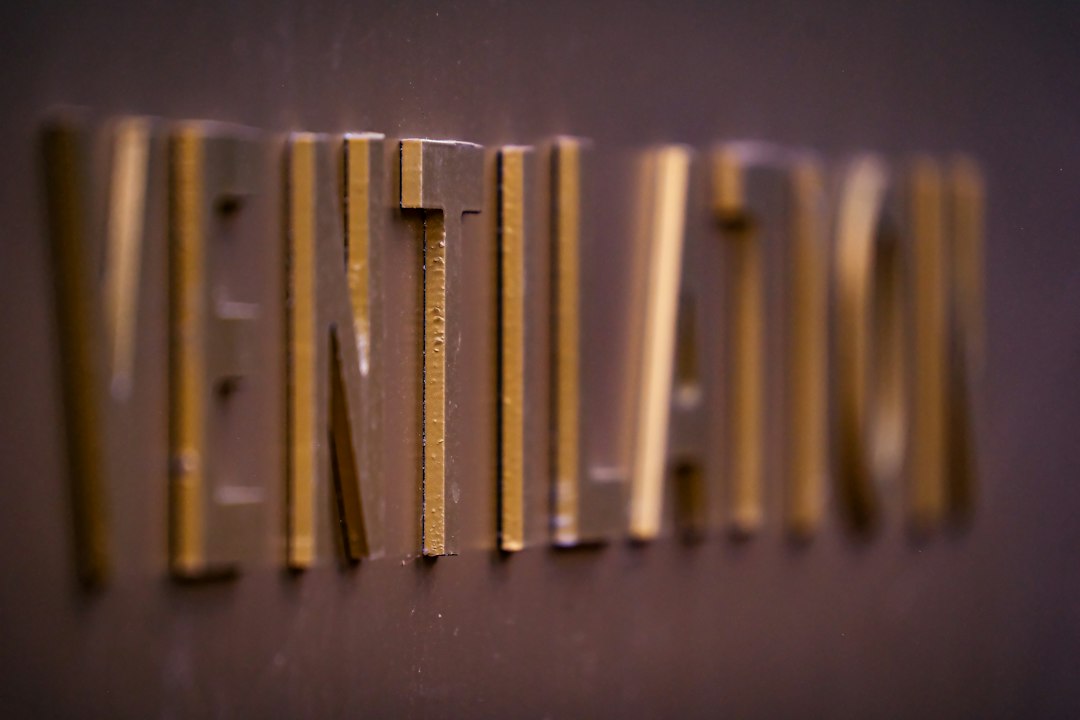
Two constants: a late-set plum and brass amber palette and a Concert-hall serif register. Abstract homage — not a festival logo, poster or mark; nothing of the festival’s identity is reproduced.
From Camden
A borough jazz week becomes a city festival.
The London Jazz Festival is a ten-day festival held across London every November. It is produced by Serious, a London live-music producer, and since 2013 it has carried the name of its headline partner as the EFG London Jazz Festival. The festival’s own website says it was created by Serious in 1992 and counted its thirty-second edition in 2024.
Its roots are in north London. English Wikipedia records that in 1970 the London Borough of Camden added a Jazz Week to its annual Camden Festival, and that over the following years the Camden Jazz Weeks used venues around the borough, including the Bloomsbury Theatre, Logan Hall, the Roundhouse and the Shaw Theatre. By the early 1990s the Camden Festival had ended, and in 1992 Serious, which had produced the Camden event, started the London Jazz Festival with help from the London Arts Board, the Wikipedia article says.
The music trade paper Music Week, interviewing the festival for its 25th edition in November 2017, described John Cumming as its festival director and programmer and said he had founded it as the Camden Jazz Festival in 1992. In that interview Cumming described the festival as having “inherited” the Camden event, which ran once and sometimes twice a year from the 1970s onwards, and said that in 1993 the festival began its move from a purely Camden event to a London-wide one, reaching in time as far as Croydon and Kingston and well into east and west London.
Colour
Concert halls, clubs and bars.
The festival is defined by how many places it uses at once. English Wikipedia names large halls such as the Barbican and the Royal Festival Hall alongside smaller clubs such as Ronnie Scott’s and the Vortex Jazz Club. In the 2017 Music Week interview the festival put its reach at about 60 venues and some 350 to 360 events, with audiences “towards 100,000”; concerts and club nights were ticketed separately, with free events on top. The festival’s own website now gives a figure of more than 300 shows, from basement bars to concert halls.
Each edition opens with a large concert and then spreads out. Music Week reported that the 2017 edition, which ran from 10 to 19 November, opened with a special edition of Jazz Voice at the Royal Festival Hall, then in its tenth year, and that the 25th-anniversary programme included Herbie Hancock, Abdullah Ibrahim with Ekaya and Dee Dee Bridgewater, as well as new commissions from young British musicians. The same interview described strands of work with galleries, with events at the Royal Academy of Arts, the Barbican and the National Portrait Gallery, and talks with musicians before their concerts.
Broadcasting has been part of the format. English Wikipedia records that the 2011 festival was produced in association with BBC Radio 3, and that in 2018 the final of the BBC Young Jazz Musician competition formed part of the festival, with the performances at the Queen Elizabeth Hall broadcast the following day on BBC Four. Music Week noted broadcasts on the BBC and Jazz FM in 2017.
The pattern holds in recent editions. The events trade site FestivalPro reported on 22 September 2025 that the multi-venue festival would run at venues across London from 14 to 23 November 2025; the festival’s website gives 13 to 22 November for the 2026 edition.
Typography
Design and documentation.
A jazz festival changes its line-up every year, so the parts of its identity that last tend to sit elsewhere. Many began with one person or one small group: a promoter, a publisher, a club owner or a city-centre association that put a name on a weekend and kept booking it. That origin often stays in the festival’s own telling, in the name of a prize, a hall or a history page, long after the organisation has passed to a foundation, a non-profit society or a concert company.
Place does much of the remaining work. Some festivals are tied to one town or one site, an amphitheatre, a fairground, a park or a congress centre, and audiences come to know the building as well as the music. Others spread across a whole city, using clubs, concert halls, squares and harbour fronts at once, so that the city itself becomes the venue. In both cases the stage names matter: a hall named after a river, a stage named after a founder or a square known by its street name becomes part of the vocabulary that returning visitors use.
The annual poster is the object people take home. Many festivals commission a different artist or designer each year, or run a competition among art students, and the run of posters becomes a record of the festival’s history that people collect and museums sometimes keep. Names change too: a title sponsor’s name can be attached to the front of a festival’s name for a period of years and later removed, while the core name stays.
Then there is the practical layer that audiences handle every day of the festival: the printed programme or app, the day schedule laid out stage by stage, wristbands and passes, maps and venue signage. With many concerts running at once, this material is how most visitors actually meet the festival’s typography and colours, and, like the poster, it is often redesigned from one edition to the next.
Aa
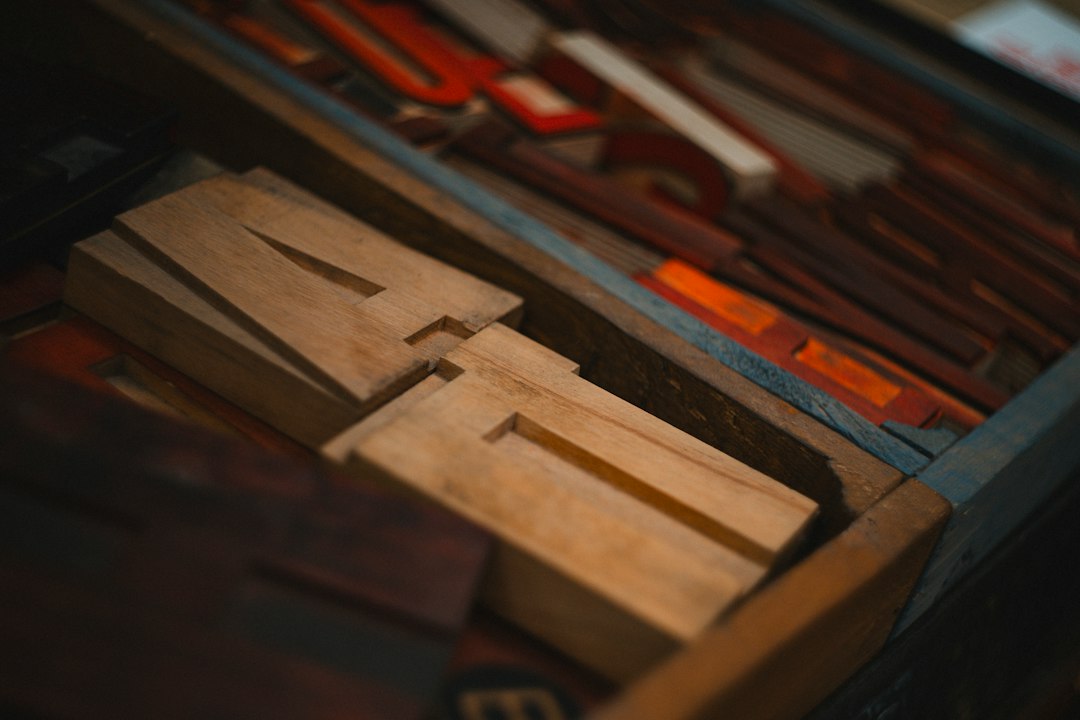
A concert-hall serif — London Jazz Festival. (Specimen set in DM Serif Display, a serif STAND-IN; NOT the festival logo.)
EFG London Jazz Festival
A title name since 2013.
The festival’s name has carried a sponsor for more than a decade. English Wikipedia says the festival has been branded as the EFG London Jazz Festival since 2013, reflecting headline sponsorship by EFG Private Bank, part of the Swiss group EFG International. The festival’s headline-partner page says EFG has supported the festival since 2008 and became title sponsor in 2013, and that each year the EFG Elements Series is co-curated by EFG and Serious. In announcements the festival and its partner use the full form, EFG London Jazz Festival, while the plain name London Jazz Festival remains in use in reference works.
Serious describes itself on the festival website as a producer of concerts, festivals and tours that also works in artist and rights management, so the festival is one part of a wider production business rather than a stand-alone organisation. A history of the festival was published in 2017 to mark its 25th anniversary, written with the University of East Anglia, English Wikipedia says; it traces London’s jazz festivals back to about 1949, including events at Bracknell, Camden, Crawley and Richmond.
For designers, the festival’s identity has to work across dozens of host venues, each with its own signage, box office and house style. The festival name, the title-sponsor prefix and the November dates are the parts that travel from a concert hall season brochure to a club’s listings board. The sources used for this guide do not describe the festival’s logo, typefaces or poster designers, so nothing here is presented as its own system.
For a design guide, the London Jazz Festival shows how a festival without a venue of its own can hold one identity across a whole city. Compare Southbank Centre, home of the Royal Festival Hall where the festival’s Jazz Voice opening has been staged, and Barbican Centre, one of its main concert halls; Ronnie Scott’s is among its club venues. For this guide we use a late-set plum and a brass amber with a serif, an unofficial interpretation; no product or logo is reproduced.
Explore & save
Keep London Jazz Festival’s identity on hand — save it to a board in the Made Good inspiration library.
London Jazz Festival identity set
Pin the late-set plum and brass amber palette and the Concert-hall serif register to your own board.
Source & notes
Frequently Asked Questions
What font can I use to match the London Jazz Festival look?
This guide describes London Jazz Festival’s type as “A concert-hall serif — London Jazz Festival”. Its type specimen is set in DM Serif Display from Google Fonts as a stand-in; DM Serif Display is not London Jazz Festival’s own lettering.
What colours are in the London Jazz Festival palette?
This guide’s London Jazz Festival palette is Late-set plum #4A2545, Ink #1C1220, Programme cream #EFE7E2, Brass amber #D08C3F and Paper #FAF6F2. The tones are the guide’s own unofficial interpretation, not official London Jazz Festival hex codes.