Ruckstuhl Brand Guidelines
The Swiss weave.
Aa
Two constants: a sisal-and-sand palette and a Swiss sans register. Abstract homage — not a Ruckstuhl rug or wordmark.
The Swiss weave
Ruckstuhl weaves natural-fibre rugs — wool, sisal, coir — mainly in Langenthal, Switzerland.
Ruckstuhl is a lesson in a natural material as the identity. A Swiss rug maker in Langenthal, it weaves rugs from natural fibres — wool, sisal, coir and linen — in its own factory, with a spare, precise Swiss sensibility. A rug, made from natural fibre in a Swiss mill.
Its identity is the Swiss weave. Ruckstuhl’s natural-fibre rugs, woven in Switzerland, are the work it is known for. A material, made a signature. A maker of quiet, natural, precise carpets.
(Honest notes, so the story stays precise. Ruckstuhl was founded in 1881 by Moritz Ruckstuhl, moving to Langenthal soon after. The rugs are mainly made in Switzerland, in its own Langenthal factory — we say “mainly,” following the maker’s own careful wording. On ownership we are candid: it is no longer a family company — the family exited its majority around 2015, and two managers bought the company in a 2021 management buyout — so we do not call it family-run today. Its signature is natural fibre: wool, sisal, coir and linen, in a minimalist Swiss aesthetic, with collaborations such as one with Trix and Robert Haussmann. Its rugs and name are its IP, described but never reproduced, and there is no official brand hex — these tones are an unofficial interpretation. This is design commentary and does not promote any product.)
Colour
Ruckstuhl lives in a sisal-and-sand palette. Click a swatch to copy the hex.
Ruckstuhl’s identity is natural, spare and precise — a sisal, an ink, a sand, a slate, and a chalk. The palette leans sisal and sand: the register of undyed natural fibre. It signals material and restraint over flash. The honest caveat: with no published brand hex, these values are an original, unofficial interpretation, not first-party colours.
The lesson is a sisal-and-sand palette signals a natural, Swiss identity. Ruckstuhl’s world is a natural, spare, made-in-Switzerland object. For designers, it is a reminder that undyed natural-fibre tones can carry a brand built on material — the sand of sisal and the grey of slate. Because these tones can fail as small text, keep type dark and let the colour live in the accents, palette and band. The takeaways: weave natural fibre; keep it in Switzerland; stay spare; and treat any single hex as unofficial.
Typography
The register is a Swiss sans — clean, spare, precise.
Ruckstuhl’s identity carries a clean, spare, precise spirit — a natural object, not a decorative one. A Swiss sans captures the mood: even, geometric and restrained, the register of a natural-fibre Swiss rug. Set in a sisal-and-sand palette, the Swiss sans feels clean and spare — exactly the personality Ruckstuhl carries. It is precise rather than showy, mirroring an undyed, woven carpet. (Ruckstuhl’s real rugs and wordmark are things we describe but do not reproduce, and the exact typeface is not ours to use.) Because it is not ours to use, the honest description is “a Swiss-sans spirit,” shown here in a stand-in. The type behaves like the maker: clean, spare and precise.
Aa
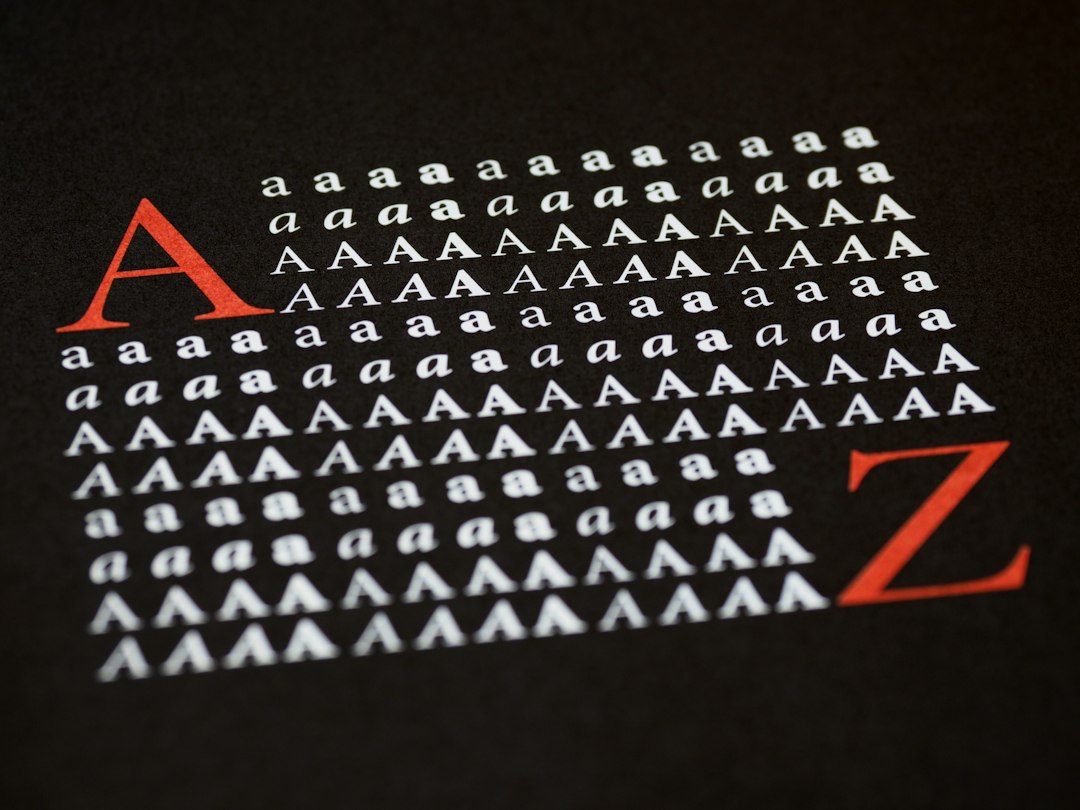
A Swiss-sans spirit — clean and spare. (Specimen set in Jost, a Swiss-sans STAND-IN; NOT the Ruckstuhl wordmark or any rug design.)
A natural material as identity
Ruckstuhl stands for the Swiss weave.
Ruckstuhl is a lesson in making a natural material the identity. A sisal-and-sand palette, a Swiss sans and natural-fibre rugs make material the whole maker — natural, spare and precise. The material is the differentiator. The differentiator is a genuine focus — weaving wool, sisal and coir in its own Swiss factory, with a restraint that lets the fibre speak.
Put to work, the identity is a material as design. A maker building in this spirit would commit to natural fibre, keep the weaving in Switzerland, and be honest about ownership and where it makes, so the customer buys into material rather than pattern. It would let the texture of undyed fibre be the design, so that restraint reads as quality. It would say “mainly Swiss-made” where that is the truth, rather than overclaim. The lesson Ruckstuhl teaches is that a natural material plus Swiss weaving can build a brand: the fibre gives it substance, and the Langenthal making gives it credibility. The material is the personality, and the making is the proof.
For designers and brand-builders, Ruckstuhl offers a clear takeaway: commit to a material and weave it at home. The lessons: choose natural fibre; keep it in Switzerland; stay spare; and be honest about ownership. It is also a reminder to stay accurate: Ruckstuhl is a Swiss maker founded in 1881, weaving natural-fibre rugs mainly in Langenthal — management-owned since 2021, no longer a family firm — with the palette here an unofficial interpretation. Ruckstuhl made the Swiss weave the maker — proof that a natural material can be the difference.
Explore & save
Keep Ruckstuhl’s identity on hand — save it to a board in the Made Good inspiration library.
Ruckstuhl identity set
Pin the sisal-and-sand palette and the Swiss-sans register to your own board.