Petrof Brand Guidelines
The Czech piano house.
Aa
Two constants: a piano-walnut palette and a piano-serif register. Abstract homage — not a Petrof piano, keyboard or mark.
The Czech piano house
Petrof is the Czech piano maker founded in Hradec Králové in 1864, still family-owned, building all its pianos at home after surviving nationalisation under communism.
Petrof opens this new vein — the instrument makers — from Bohemia. From Hradec Králové, in the Czech Republic, Petrof builds grand and upright pianos, and it has done so under the same family name since 1864. Its answer to how a house becomes a name is continuity: keep building pianos in one Czech town for more than a century and a half, hold on to the family ownership, and keep the making at home. A Czech piano, made where it has always been made.
Its identity is the Czech piano house. Petrof’s 1864 founding, its all-Czech making and its unbroken family ownership are the work it is known for. A piano, from Hradec Králové. A family house that never left home.
(Honest notes, so the story stays precise. Petrof was founded in 1864 by Antonín Petrof in Hradec Králové, then part of Austria-Hungary, today the Czech Republic. On what it makes, it is grand and upright pianos only; its top hand-crafted line is ANT. PETROF and its largest concert grand is the P 284 Mistral. On where it is made — a theme this round returns to — all of Petrof’s lines are made in Hradec Králové: notably, its more accessible group brands Weinbach and Rösler are in-house Czech-made names, not offshore second labels, so there is no Asian budget line — though the Weinbach name has historically been licensed abroad by third parties, so we keep that claim to Petrof’s own production. On ownership, Petrof is still family-owned and independent, led by a later-generation family member, Zuzana Ceralová Petrofová, a great-granddaughter of the founder; the company was nationalised in 1948 under communism and restituted to the family after 1989, in the 1990s. We attribute superlatives it does not clearly document, and we present its awards and history as reported. Its name and marks are IP, described but never reproduced, and there is no official brand hex; these tones are an unofficial interpretation. This is design commentary and does not promote any product.)
Colour
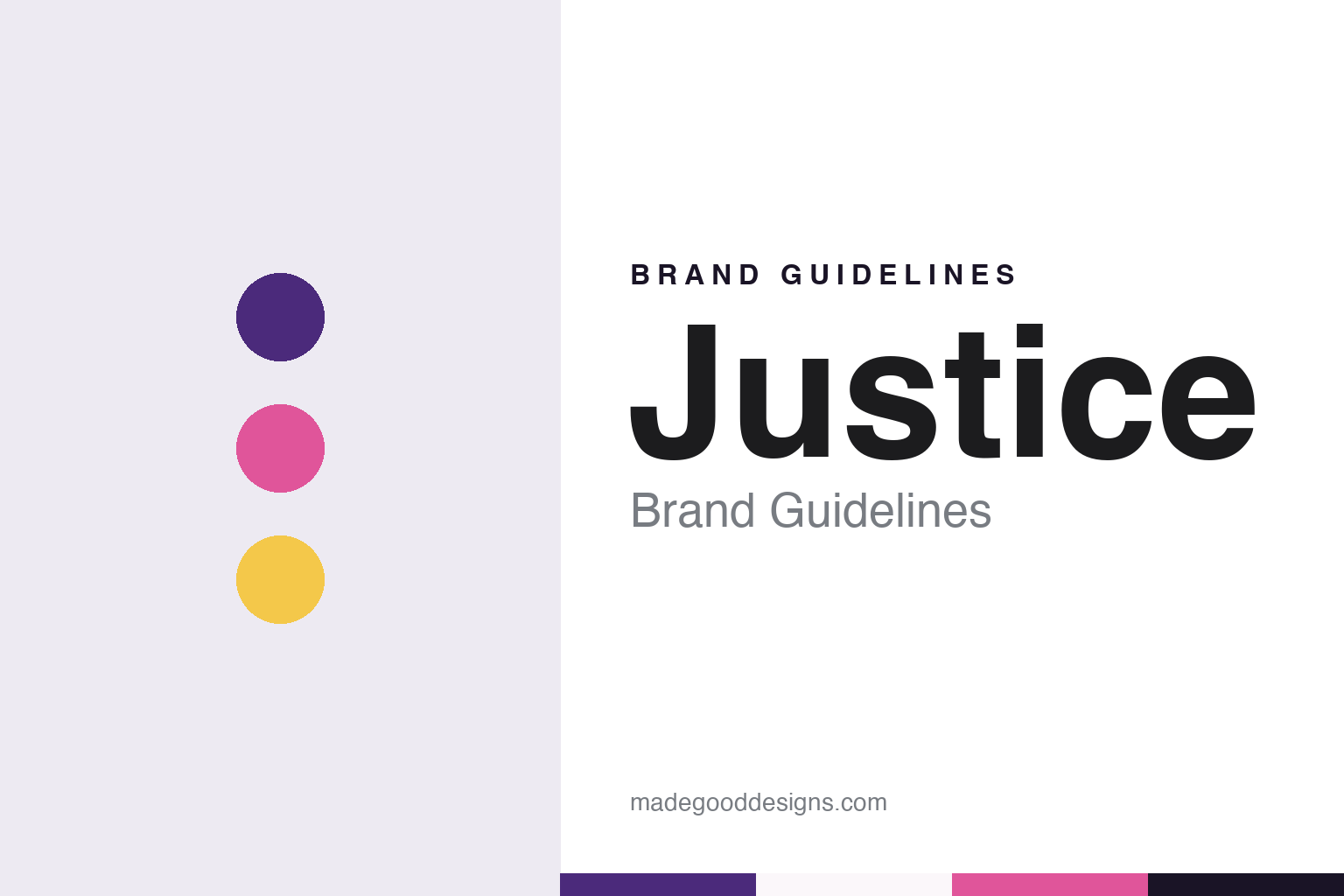
Petrof lives in a piano-walnut palette. Click a swatch to copy the hex.
Petrof’s identity is heritage, Czech and continuous — a piano walnut, an ebony, an ivory, a dark walnut, and a paper. The palette leans piano walnut and ivory: the register of tonewood, ebony keys and a century-old workshop. It signals craft continuity over reinvention. The honest caveat: with no published brand hex, these values are an original, unofficial interpretation, not first-party colours.
The lesson is a piano-walnut palette signals a heritage, made-at-home identity. Petrof’s world is a heritage, wooden, Czech object. For designers, it is a reminder that a warm walnut and a soft ivory can carry a house built on staying put — the brown of a piano case and the neutral of an ivory key. Because these tones can fail as small text, keep type dark and let the colour live in the accents, palette and band. The takeaways: build in one place; keep the family ownership; keep the accessible lines at home too; and treat any single hex as unofficial.
Typography
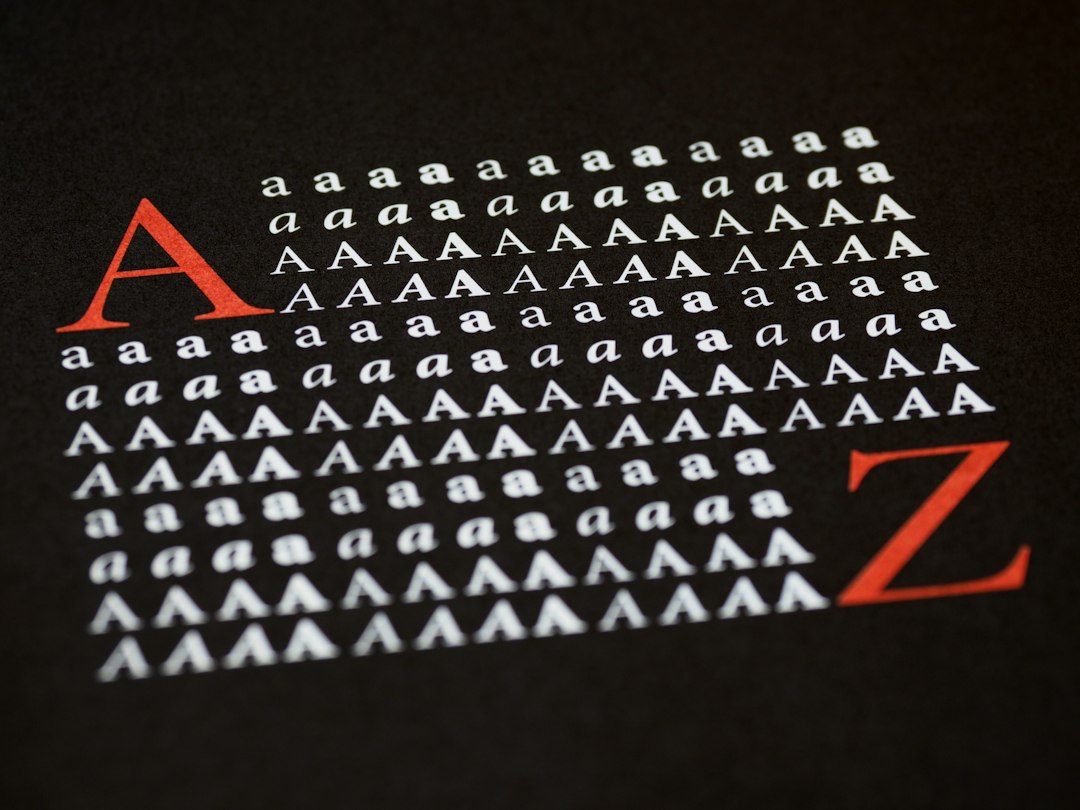
The register is a piano serif — heritage, refined, made.
Petrof’s identity carries a heritage, refined, made spirit — a family piano house, not a mass brand. A piano serif captures the mood: classical, elegant and warm, the register of a maker with a century and a half behind it. Set in a piano-walnut palette, the piano serif feels heritage and refined — exactly the personality Petrof carries. It is a continuous family workshop rather than a marketing wall, mirroring a hand-built piano. (Petrof’s real logo, its lyre-style “P” emblem and wordmark are things we describe but do not reproduce, and the exact typeface is not ours to use.) Because it is not ours to use, the honest description is “a piano-serif spirit,” shown here in a stand-in. The type behaves like the house: heritage, refined and made.
Aa
A piano-serif spirit — heritage and refined. (Specimen set in Cormorant Garamond, a piano-serif STAND-IN; NOT the Petrof logo or emblem.)
The instrument makers
Petrof stands for the piano house that stayed at home.
Petrof opens the instrument makers with the vein’s steadiest idea: the maker that stayed put. A piano-walnut palette, a piano serif and a hand-built grand make one thing — the Czech piano house — the whole identity: heritage, Czech and continuous. The 1864 founding is the differentiator, and the unbroken family ownership is the meaning. The point is a house that has built pianos in one Bohemian town since before the Austro-Hungarian empire fell, kept the family name through nationalisation, and never moved the making abroad.
Put to work, the identity is continuity, honestly told, as design. A house in this spirit would build in one place, keep the ownership close, and be candid about the range — grand and upright pianos, an ANT. PETROF top line, Weinbach and Rösler kept Czech-made, all in Hradec Králové. A brand learning from it would see that staying put is a durable identity — that a piano built where it has always been built carries a continuity a relocated brand cannot — and that being precise, founded 1864 by Antonín Petrof, made in Czechia, family-owned through nationalisation and restitution, keeps the story honest. Petrof sets the round’s ownership question at its most reassuring pole: it is one of the makers whose national name, family owner and home factory still all line up — a benchmark against which the round’s foreign-owned and made-elsewhere houses can be read. There is discipline, too, in the restraint: attributing the superlatives Petrof does not clearly document, keeping the Weinbach claim to Petrof’s own production, and saying “the 1990s” rather than pinning a single restitution year, is what keeps a heritage story from drifting into legend. The lesson Petrof teaches is that continuity can hold an identity: the unbroken making gives it substance, and the honesty about the accessible lines keeps it credible. The staying-put is the personality, and the home-built piano is the proof.
For designers and brand-builders, Petrof opens the instrument makers, from Czechia: build in one place, and keep it in the family. The lessons: make at home; hold the ownership; keep even the accessible lines local; attribute what you can’t document; and never reproduce a logo or emblem. It is also a reminder to stay precise: Petrof is the Czech piano maker founded in Hradec Králové in 1864, still family-owned, building all its pianos at home after surviving nationalisation under communism — with the palette here an unofficial interpretation. Petrof made continuity the identity — proof that a piano house that stayed at home, honestly told, can be the difference.
Explore & save
Keep Petrof’s identity on hand — save it to a board in the Made Good inspiration library.
Petrof identity set
Pin the piano-walnut palette and the piano-serif register to your own board.