Crafthouse Brand Guidelines
Professional cocktail tools designed by a world-champion bartender.
Aa
Two constants: a stainless-and-brass palette and a grotesque sans. Abstract homage — not the Crafthouse wordmark or logo.
Bar tools by a champion
Crafthouse brings pro tools home.
Crafthouse is a lesson in expertise made into a product. It is a barware line designed by the award-winning bartender Charles Joly — the 2014 Diageo World Class Global Champion (“World’s Best Bartender”) — in partnership with Fortessa, a US tableware company (founded 1993, in Virginia). The barware line launched in Fall 2016, rolling out nationally through Williams-Sonoma.
Its positioning is professional-grade cocktail tools for the home: a Boston shaker, mixing glass, Hawthorne and julep strainers, barspoon, jigger, muddler and glassware — designed by a champion bartender to bring bar-quality craft-cocktail tools into home mixology. Joly’s stated aim was barware “people would want to use fifty years from now,” blending golden-age-of-cocktails inspiration with contemporary ergonomics.
The tools are clean, functional-premium and predominantly 18/10 stainless steel, sold as sets and individually at Williams-Sonoma and Crate & Barrel. (Honest notes: the barware launched in Fall 2016 — not 2014/2015; that earlier date belongs to Joly’s separate brand, Crafthouse Cocktails, a bottled ready-to-drink line co-founded with Matt Lindner; “World’s Best Bartender” is the colloquial name for the Diageo World Class 2014 title; Fortessa is a tableware manufacturer (it later merged with Zwiesel Kristallglas in 2022), and Crafthouse is co-designed under Fortessa; and no official brand hex is published.)
Colour
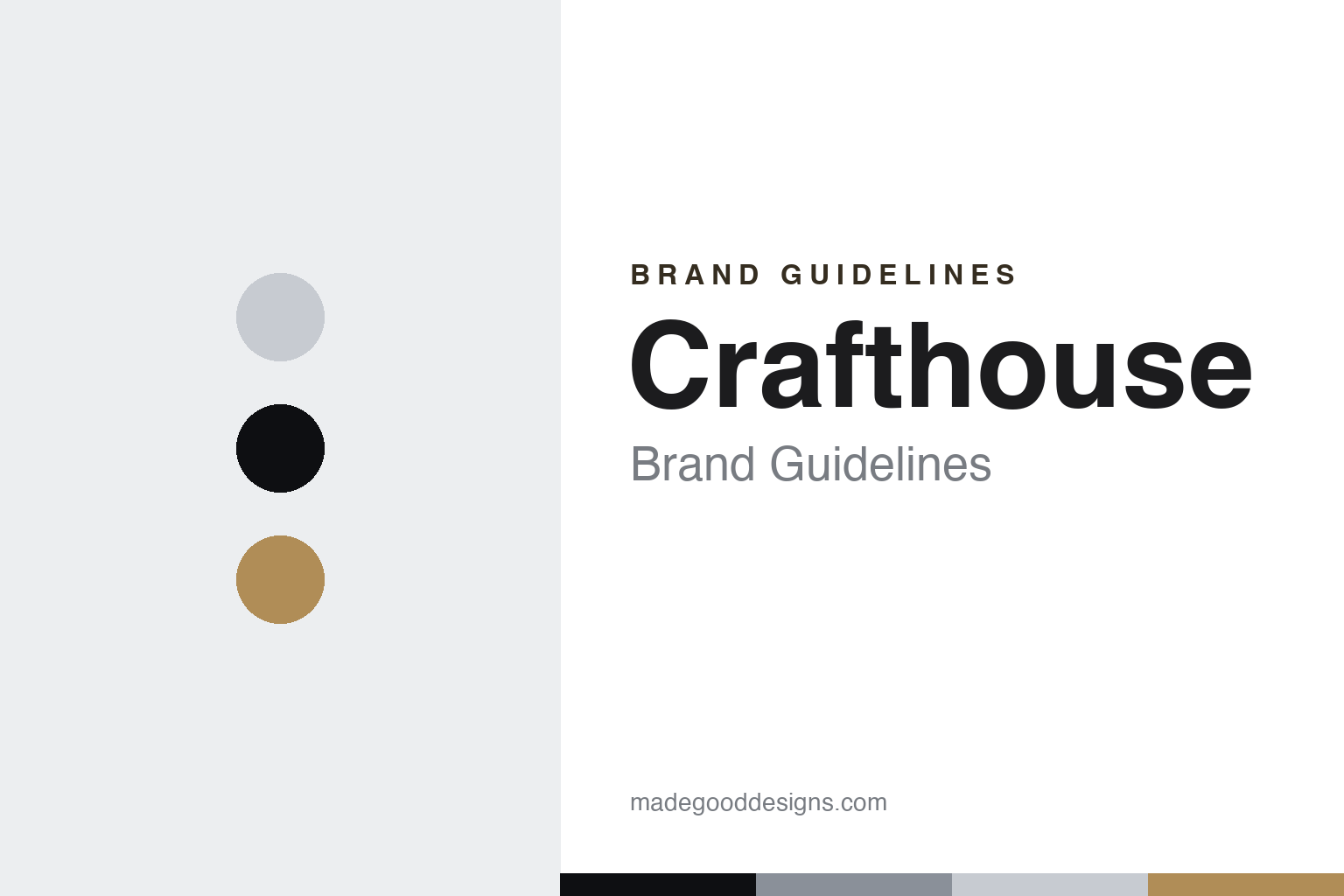
Crafthouse lives in a stainless-and-brass palette. Click a swatch to copy the hex.
Crafthouse’s identity is professional, clean and functional-premium — a near-black bar charcoal, a brushed stainless, a cool pewter, a bright nickel highlight, and a warm brass accent. The palette reads like a professional bar: polished stainless tools, dark bar mats, and the warm glint of a copper jigger. It signals bar-quality, champion-designed tools rather than novelty barware. The honest caveat: with no published brand hex, these tones are an original, unofficial interpretation, not first-party values.
The lesson is a stainless-and-brass palette signals professional bar tools. Crafthouse’s world reads as clean and pro-grade. For designers, it is a reminder that brushed stainless and pewter with a warm brass accent convey professional, functional-premium craft, matching tools designed by a champion bartender. The takeaways: use stainless and pewter with a warm brass accent for pro-grade tools; keep it clean and functional; and treat any single hex as unofficial when there is no published spec.
Typography
The wordmark spirit is a grotesque sans — clean and professional.
Crafthouse’s identity carries a clean, professional, functional spirit — a “Crafthouse” wordmark whose modern forms match champion-designed bar tools. A clean grotesque sans captures the mood: it is functional and confident, the register of professional-grade craft rather than novelty. Set against a stainless-and-brass palette, the grotesque sans feels clean and pro — exactly the world-champion-designed, bring-the-bar-home personality Crafthouse carries. It is functional rather than decorative, mirroring precise stainless tools. (Crafthouse’s real wordmark is a trademark we describe but do not reproduce, and the exact typeface is not something we assert.) Because the specific mark is not ours to use, the honest description is “a grotesque sans spirit,” not the Crafthouse logo. The type behaves like the brand: clean, professional and functional.
Aa
A grotesque sans spirit — clean and professional. (Specimen set in Archivo, a grotesque sans; NOT the Crafthouse logo, which is a trademark.)
Champion expertise as the difference
Crafthouse stands for pro tools at home.
Crafthouse is a lesson in turning genuine expertise into a product. Its differentiator is real credibility: tools designed by a world-champion bartender, made by an established tableware manufacturer, so a home mixologist gets professional-grade function and design rather than generic barware. That authentic pedigree — a named champion, not an anonymous factory — plus clean, durable design, is exactly what sets Crafthouse apart in a crowded home-barware market. Champion expertise, made tangible, is the differentiator.
For designers and brand-builders, Crafthouse offers a clear takeaway: genuine expert pedigree can differentiate a product in a crowded category. The lessons: partner with a credible domain expert (a champion bartender) and let their name and knowledge shape the product; pair that with a capable manufacturer; and keep the design clean and functional so the pedigree reads. It is also a reminder to keep the facts honest: Crafthouse barware was designed by Charles Joly (Diageo World Class 2014) with Fortessa and launched in Fall 2016 — distinct from his separate Crafthouse Cocktails RTD brand — with the palette here an unofficial interpretation. Crafthouse brought champion expertise home — proof that pedigree can be the difference.
Explore & save
Keep Crafthouse’s identity on hand — save it to a board in the Made Good inspiration library.
Crafthouse identity set
Pin the stainless-and-brass palette and the grotesque-sans spirit to your own board.