Shrey Brand Guidelines
A Jalandhar helmet with a family behind it.
Aa
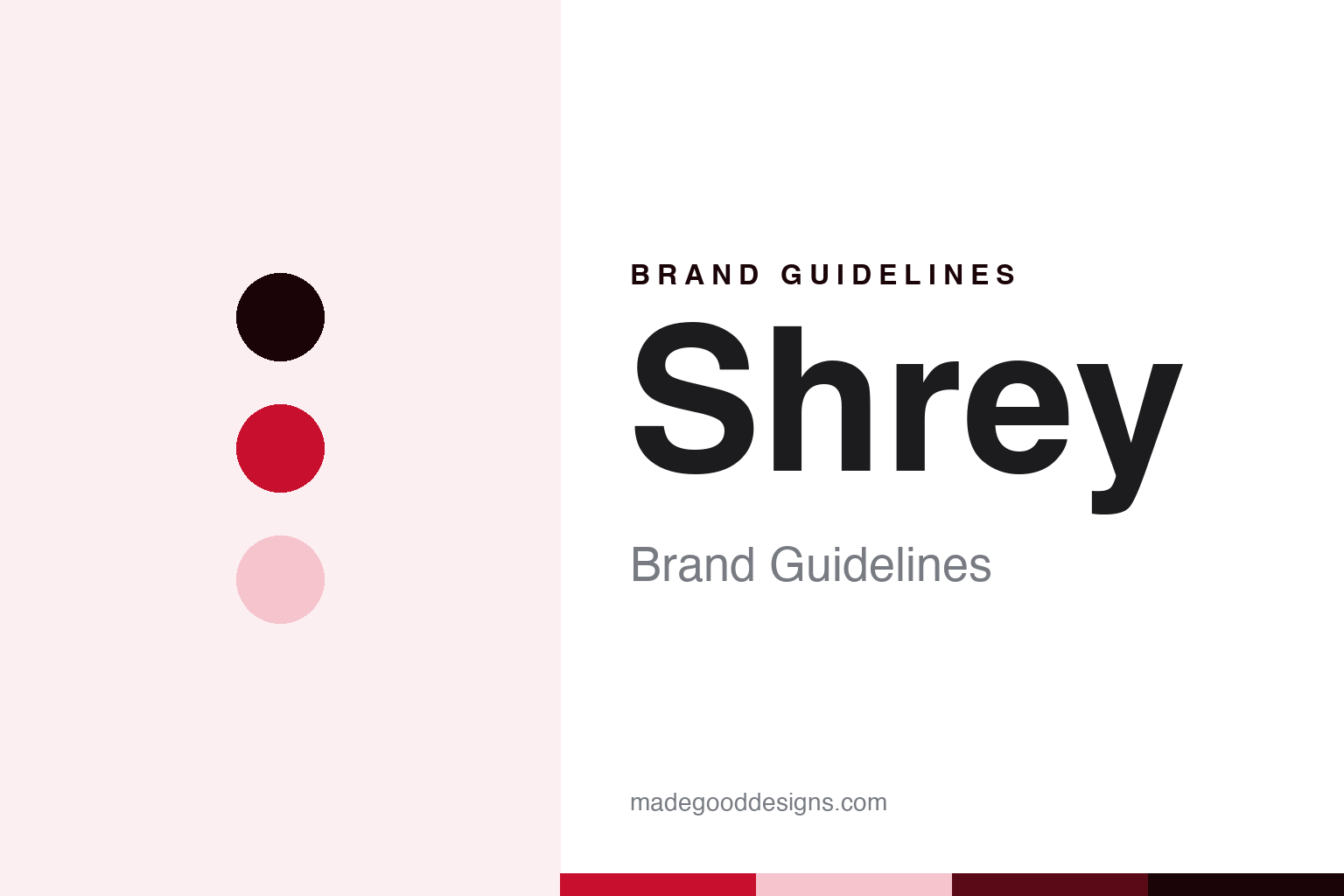
Two constants: a Shrey-red palette and a heavy-grotesque register. Abstract homage — not a Shrey product or mark; no helmet or logo is reproduced.
A helmet brand from a bat family
Shrey was launched by the family behind BAS.
Shrey is young by the standards of cricket brands. Its American website says “Shrey’s launch steered in 2013, with an adroit mastery of Mr. R. C. Kohli, Managing Director of BAS, an eminent name in the manufacturing of cricket helmets globally and Mr. Rajan Kohli,” whom the page names as managing director of TYKA Sports, and that the brand is run by Raghav Kohli. The helmet maker Koroyd, in a 2020 post about a joint product, also dated Shrey’s official launch to 2013. Directory summaries say the brand was named after the youngest member of the Kohli family; we could not read that source directly and give it only as theirs.
That makes Shrey part of a Jalandhar dynasty. BAS — Beat All Sports, the bat brand best known for “Vampire” — traces itself to a Kohli family business founded in Sialkot and re-established in Jalandhar after Partition. Shrey is the same family’s move into protective equipment, under a new name rather than the old one.
The legal structure follows. Shrey’s Indian parent is Kohli Sports Private Limited, incorporated in January 2006 with the registrar in Chandigarh and an address in Jalandhar’s Leather Complex; aggregator records list Raghav and Gayatri Kohli as directors. In Britain, Kohli Sports (UK) Ltd — first registered in 2014 as Tyka Sports (UK) and renamed in 2017 — lists Raghav Kohli as its controlling owner. Shrey’s UK website now carries that company’s name.
Colour
“100% home manufacturing.”
Shrey’s origin claim is about control of production rather than geography. “We have always done 100% home manufacturing of each of our products,” it says, and “We house well-equipped manufacturing units.” The page does not name a factory town; the company register puts the parent in Jalandhar, a city to which, by its own account, the BAS side of the family moved its business from Sialkot. We describe Shrey as a brand that says it makes everything in-house, from a Jalandhar-registered parent.
Its helmets carry the certification the professional game requires. A product page for its Koroyd model states: “Certified to BS 7928:2013 + A1 2019, (EU) 2016/425. Tested with both 4 3/4 & 5 1/2 Oz balls. Includes – Complimentory Neck-Guard.” The first number is the British Standard for cricket helmets; the second is the European Union’s regulation on personal protective equipment. The two ball weights match the standard’s junior and men’s balls.
Its most-cited user comes from a partner. Koroyd’s 2020 post said: “Shrey is a market leader in cricket helmets… Including for example, Joe Root, the current England Captain,” and the jointly developed helmet went on sale from 1 November 2020. Shrey’s own claims go further — it says it is “the first choice for 60-70% players” and that it made pink helmets worn by the whole South African team in 2013 — and we give those as Shrey’s statements. The contrast with the British maker Masuri is instructive: Masuri says it has never paid a player to wear its helmets, while Shrey leads with the names and teams that wear its own. Both are legitimate strategies; they make different promises to the buyer.
Typography
What the standard tests — and the neck.
The standard Shrey certifies to is specific. BS 7928’s facial-contact test fires a men’s ball at 28 metres per second and a junior ball at 23, speeds the standard calls “theoretically equivalent to realistic cricket ball speeds faced by cricketers.” It notes that “fast bowlers capable of bowling cricket balls at speeds of over 90 mph (140 km/h)” make head protection “a recommended part of a cricket player’s personal protection equipment.” The 2013 version came into effect on 1 July 2014, the year after Shrey’s launch, so the brand has grown up entirely inside the modern standard. Since 1 February 2017, the ICC has required any helmet worn in international cricket to comply, with an official warning for each of a player’s first two breaches and a one-match suspension for a third; in England, the ECB told professionals in 2016 that a player without a compliant helmet “will not be permitted to play.”
Neck protection is the newer frontier. The current edition of the standard covers “head and neck protectors,” with a test meant “to reduce the frequency and severity of localized injuries to the base of the rear of the head and upper neck.” Cricket Australia has required neck protectors for batters facing fast or medium pace in its competitions since 2023–24. Shrey includes a neck guard with its Koroyd helmet, and retailers describe its separate neck protector as certified to the same standard. In England, the ECB’s 2026 equipment policy now defines a “Head Protector” as “the complete assembly of a helmet, faceguard and neck protector,” complying with the 2019 edition of the standard — a definition that treats the neck guard as part of the helmet, not an optional extra.
The standard is also frank about its limits: “wearing a helmet, faceguard and/or neck protector cannot always prevent death or long-term disability.” A helmet brand sells protection; the standard reminds buyers that protection is a reduction in risk, not its removal.
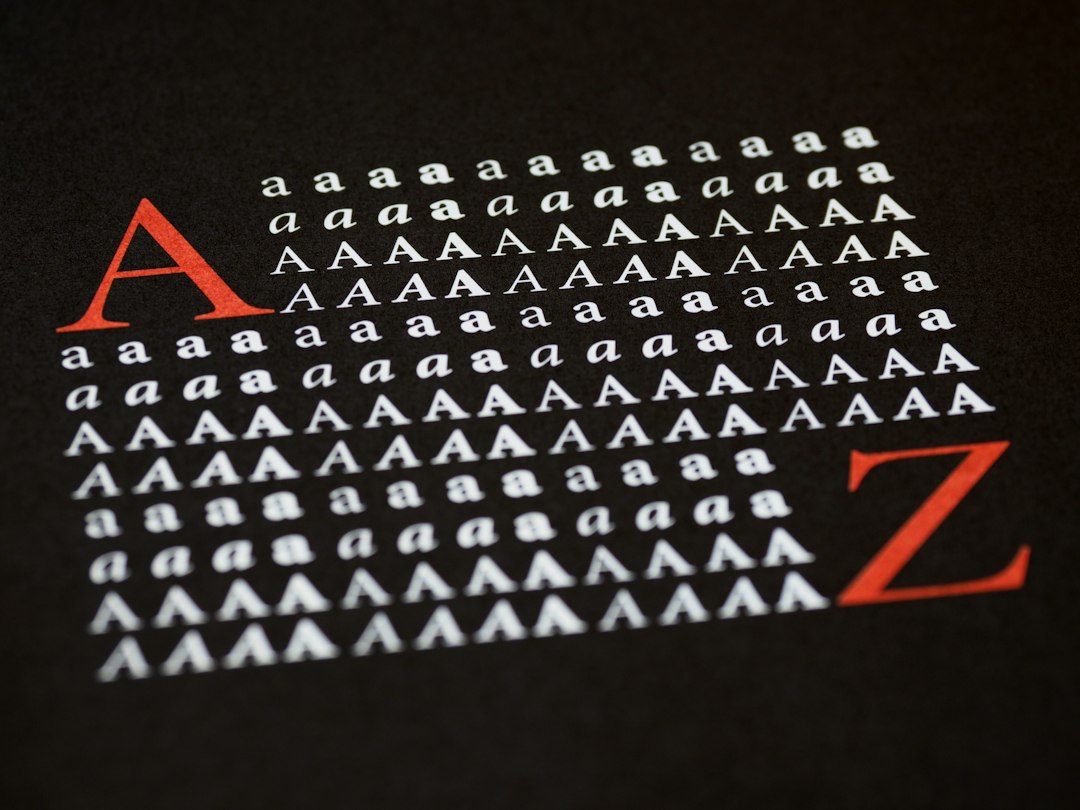
Aa
A heavy grotesque — a short name, set strong. (Specimen set in Archivo Black, a sans STAND-IN; NOT the Shrey logo.)
Wear what the best do
Taglines about legacy, from a brand named for a child.
Shrey’s lines are aspirational: “WEAR WHAT THE BEST DO,” and “WHAT YOU DO IS YOUR HISTORY. WHAT YOU SET IN MOTION IS YOUR LEGACY.” Its UK page adds “STRONGER * BETTER * TOGETHER.” The legacy theme fits a brand started by a family whose cricket business, by BAS’s own dating, goes back to 1935, and which chose a new, personal name for its newest line.
For a design guide, Shrey shows how an old manufacturing family can launch a modern brand without leaning on the old one. BAS is a bat name with decades of history; Shrey is a helmet name with little more than a decade behind it, built on certification, a design partnership and the visibility of the players who wear it.
For this guide we use a red and a pale rose with a heavy grotesque. These are an unofficial interpretation — we did not verify Shrey’s colours — and nothing of its logo is reproduced.
Explore & save
Keep Shrey’s identity on hand — save it to a board in the Made Good inspiration library.
Shrey identity set
Pin the Shrey-red palette and the heavy-grotesque register to your own board.