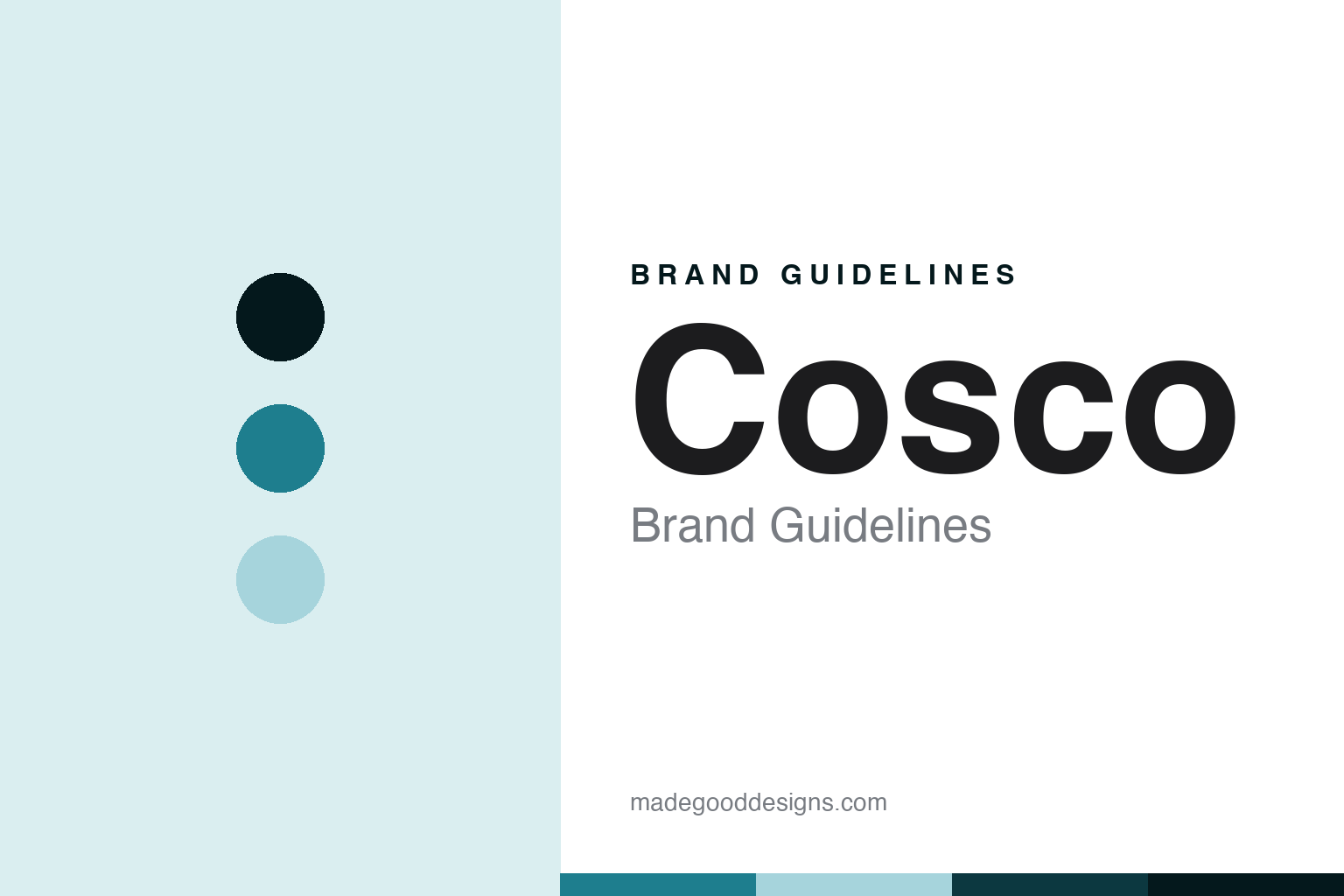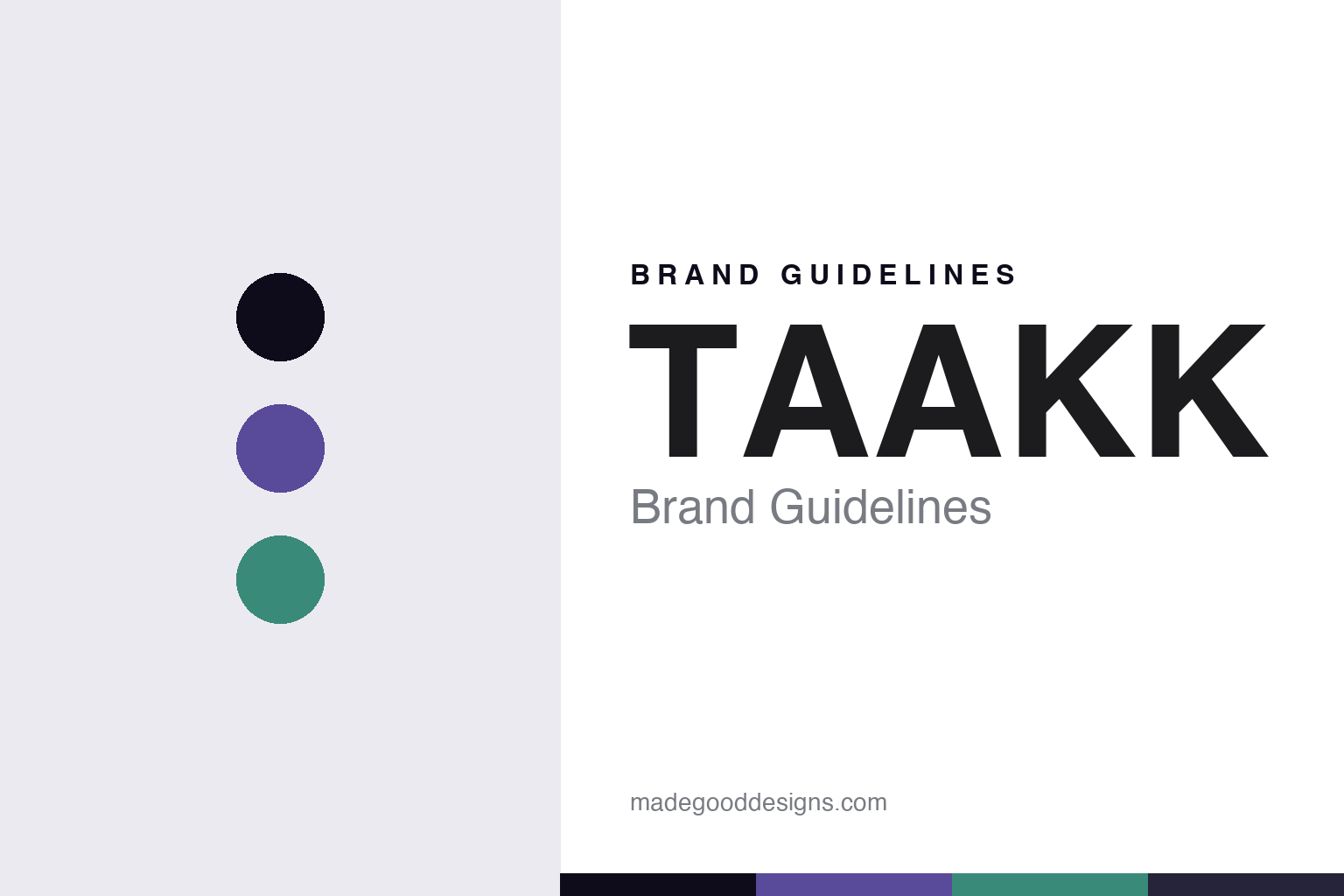
TAAKK Brand Guidelines
The fabric, invented.
Aa
Two constants: a violet-and-jade palette and an experimental display register. Abstract homage — not a TAAKK piece, textile or wordmark.
The fabric, invented
TAAKK designs from newly-invented textiles rather than existing ones.
TAAKK is a lesson in material invention as the identity. A Japanese label from Tokyo, it starts not by styling existing cloth but by inventing new textiles — gradient fabrics, hybridised materials, sculptural surfaces — so the fabric itself is the first design decision.
Its identity is the fabric, invented. TAAKK’s graded and hybrid textiles, its dimensional embroidery and its transformations of one garment type into another are the work it is known for, under the concept “Unrealistic Reality.” Material, made first. A brand where the textile leads.
(Honest notes, with two corrections worth making. TAAKK is a Japanese brand based in Tokyo, founded by Takuya Morikawa — not, as is sometimes wrongly written, “Takamichi Yoshikawa”; he trained at Bunka Fashion College and spent roughly seven to eight years at Issey Miyake, not at any other house, before starting his label around 2012, with the brand launching in 2013. It shows on the Paris men’s calendar and was an LVMH Prize semi-finalist in 2021. Its signature is original fabric and material innovation — developing new textiles rather than restyling existing ones, a legacy of his fabric-research background — with gradient and graded fabrics, sculptural, dimensional embroidery, hybridised materials, and garments that transform one type into another, all under the concept “Unrealistic Reality.” On ownership, it is independent, run by Morikawa, with the Issey Miyake link being employment history only. On production, the honest point: the country of manufacture is not publicly documented, so we do not assert “Made in Japan” as fact, even though the brand’s textile development is rooted in Japan. We also do not present the name’s origin as settled, since the label does not spell it out. Its wordmark and its original textile techniques are IP we describe but never reproduce, and there is no official brand hex — these tones are an unofficial interpretation. This is design commentary and does not promote any product.)
Colour
TAAKK lives in a violet-and-jade palette. Click a swatch to copy the hex.
TAAKK’s identity is experimental, layered and technical — a violet, an ink, a jade, a graphite, and a mist. The palette leans violet and jade: two graded, slightly unexpected tones that echo the brand’s gradient fabrics rather than a single flat colour. It signals invention and material play over convention. The honest caveat: with no published brand hex, these values are an original, unofficial interpretation, not first-party colours.
The lesson is a violet-and-jade palette signals material invention. TAAKK’s world is an experimental, layered, technical object. For designers, it is a reminder that a palette can express a process — that a brand built on inventing textiles can use graded, blended tones to hint at fabrics that shift and merge. Because a mid violet can fail as small text, keep type dark and let the colour live in the accents, palette and band. The takeaways: start from the material; let the palette suggest the process; keep inventing; and treat any single hex as unofficial.
Typography
The register is an experimental display — inventive, technical, modern.
TAAKK’s identity carries an inventive, technical, modern spirit — a material-first object, not a conventional one. An experimental display type captures the mood: contemporary and a little unexpected, the register of a brand that treats fabric as a frontier. Set in a violet-and-jade palette, the experimental display feels inventive and technical — exactly the personality TAAKK carries. It is exploratory rather than plain, mirroring an invented textile. (TAAKK’s real garments, textiles and wordmark are things we describe but do not reproduce, and the exact typeface is not ours to use.) Because it is not ours to use, the honest description is “an experimental-display spirit,” shown here in a stand-in. The type behaves like the brand: inventive, technical and modern.
Aa
An experimental-display spirit — inventive and technical. (Specimen set in Syne, an experimental-display STAND-IN; NOT the TAAKK wordmark.)
A material as identity
TAAKK stands for the fabric, invented.
TAAKK is a lesson in making material invention the identity. A violet-and-jade palette, an experimental display and newly-invented textiles make the fabric itself the whole brand — inventive, layered and technical. The material is the differentiator. The differentiator is starting from the cloth: inventing textiles rather than restyling them, so every collection begins with a material nobody else has, and the design follows from it.
Put to work, the identity is a process as design. A house building in this spirit would invest in genuine material research — developing its own fabrics, finishes and constructions — and let those inventions drive the collections, so the customer buys into originality at the level of the cloth, not just the cut. The lesson TAAKK teaches is that real material innovation plus a coherent, experimental design language can build a brand: the invented fabric gives it something truly its own, and the discipline turns experiment into a recognisable signature. The material is the personality, and the invention is the proof.
For designers and brand-builders, TAAKK offers a clear takeaway: invent at the level of the material. The lessons: start from the fabric; make something genuinely new; let it lead the design; and be honest about the story. It is also a reminder to stay accurate: TAAKK was founded around 2012 (its brand launching in 2013) by Takuya Morikawa — not “Takamichi Yoshikawa” — who came from Issey Miyake, it shows in Paris and was a 2021 LVMH Prize semi-finalist, and its country of manufacture is not publicly documented, so we do not claim “Made in Japan” as fact — the palette here is an unofficial interpretation. TAAKK made the invented fabric the brand — proof that a material can be the difference.
Explore & save
Keep TAAKK’s identity on hand — save it to a board in the Made Good inspiration library.
TAAKK identity set
Pin the violet-and-jade palette and the experimental-display register to your own board.